Exploring Homeowners Insurance Rates: A Comprehensive Guide
Delving into the realm of homeowners insurance rates unveils a complex web of factors and options that dictate the cost of protecting your home. From understanding the key influencers to discovering strategies for lowering rates, this guide aims to equip you with the knowledge needed to navigate the world of homeowners insurance confidently.

When it comes to determining homeowners insurance rates, several key factors come into play. These factors can vary from one insurance provider to another, but some common elements typically influence the cost of coverage.Location is one of the primary factors that affect homeowners insurance rates.
Homes located in areas prone to natural disasters, such as hurricanes, earthquakes, or floods, are considered higher risk and may result in higher premiums. Additionally, the crime rate and proximity to fire stations can also impact insurance rates.The value of your home is another crucial factor in determining insurance rates.
A more expensive home will generally cost more to insure since it would require higher coverage limits. The size and age of the home, as well as the materials used in construction, can also affect the cost of insurance.Claim history plays a significant role in determining homeowners insurance rates.
If you have a history of filing multiple claims, especially for costly damages, insurance companies may consider you a higher risk policyholder. This can lead to increased premiums or even difficulty in obtaining coverage.
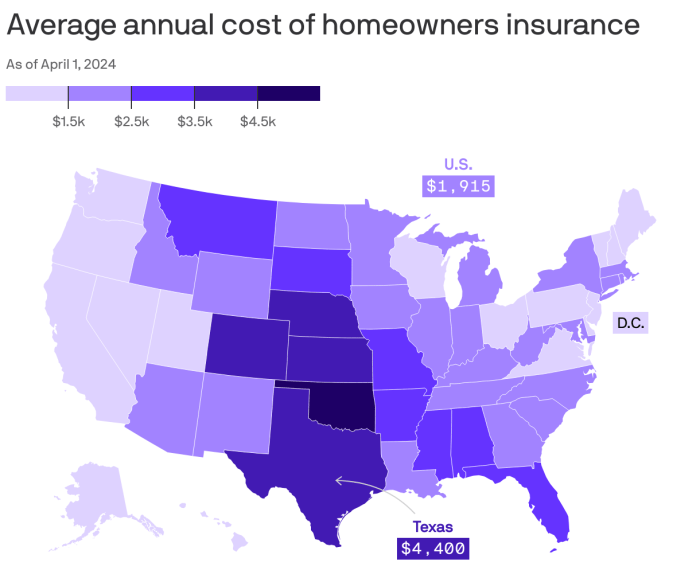
The location of your home is a key determinant of your homeowners insurance rates. Homes located in areas prone to natural disasters, such as coastal regions for hurricanes or earthquake-prone zones, are considered higher risk and may result in higher premiums.
Similarly, areas with high crime rates or limited access to fire stations can also impact insurance rates.
The value of your home is a significant factor in determining homeowners insurance rates. A more expensive home will typically require higher coverage limits, leading to increased premiums. Factors such as the size, age, and construction materials of the home can also affect insurance costs.
Your claim history plays a crucial role in determining homeowners insurance rates. Insurance companies assess your risk level based on past claims, and a history of multiple claims can result in higher premiums or even difficulty in obtaining coverage.
Having a clean claims history can help you secure lower insurance rates, while frequent claims may lead to increased premiums.
Paying for homeowners insurance can be a significant expense, but there are ways to lower your rates without sacrificing coverage. By taking proactive steps and making strategic decisions, you can reduce your premiums and save money in the long run.
Making improvements to your home can not only enhance its value but also lower your insurance rates. Installing security systems, smoke detectors, and deadbolt locks can reduce the risk of theft or damage, making your home less of a liability for insurance companies.
By investing in these upgrades, you can potentially qualify for discounts on your homeowners insurance premiums.
Another effective way to lower your homeowners insurance rates is by bundling multiple policies with the same insurance provider. By combining your homeowners insurance with auto insurance or other types of coverage, you may be eligible for a multi-policy discount.
Additionally, consider raising your deductibles to lower your premiums. While this means you’ll pay more out of pocket in the event of a claim, it can result in significant savings on your insurance premiums over time.

When it comes to homeowners insurance, understanding the different coverage options available is crucial in making sure your home and belongings are adequately protected.
Liability coverage is essential in homeowners insurance as it protects you in case someone is injured on your property and decides to sue. This coverage can help pay for legal fees, medical expenses, and settlement costs.
Personal property coverage helps protect your belongings inside your home, such as furniture, electronics, and clothing. In the event of theft, damage, or loss, this coverage can help replace or repair your personal items.
Dwelling coverage is the core of homeowners insurance as it protects the structure of your home itself. This coverage can help pay for repairs or rebuilding costs if your home is damaged or destroyed by covered perils like fire, windstorm, or vandalism.
In addition to standard homeowners insurance policies, you may want to consider additional coverage options like flood insurance or earthquake insurance, especially if you live in areas prone to these natural disasters. While these coverages may come at an extra cost, they can provide added protection and peace of mind in case of unforeseen events.
?w=700 "Average homeowners insurance rates by state in 2024 : r/dataisbeautiful")
When it comes to purchasing homeowners insurance, it is crucial to shop around and compare different insurance providers and their rates. This process allows you to find the best coverage options at the most competitive prices, ensuring you get the protection you need without breaking the bank.
Before selecting a homeowners insurance policy, it is essential to obtain multiple quotes from various insurance companies. By doing so, you can compare rates, coverage options, and policy details to find the best fit for your needs.
When shopping for homeowners insurance, it is important to review the coverage limits and policy details carefully. Make sure you understand what is covered and what is not, as well as any additional endorsements or riders that may be available to enhance your coverage.

As we conclude our discussion on homeowners insurance rates, it becomes evident that being informed and proactive are key in securing the best coverage for your home. Whether it’s exploring different coverage options or shopping wisely for insurance, the choices you make can have a significant impact on your financial well-being.
What factors can influence homeowners insurance rates?
Factors such as location, home value, and claim history can significantly impact insurance rates. Insurers assess these variables to determine the level of risk associated with insuring your property.
How can I lower my homeowners insurance rates?
You can lower your rates by making home improvements, installing security systems, bundling policies, or opting for higher deductibles. These actions can reduce the perceived risk for insurers, leading to lower premiums.
What are the different coverage options in homeowners insurance?
Homeowners insurance typically includes liability coverage, personal property coverage, and dwelling coverage. Additional options like flood or earthquake insurance can be added for extra protection.
How should I shop for homeowners insurance?
When shopping for insurance, it’s important to compare quotes from multiple providers, review coverage limits, and understand policy details to ensure you’re getting the right coverage at the best price.